Environmental
Help Stop Aquatic Hitchhikers – Prevent the Transport of Aquatic Invasive Species
Enjoying the great outdoors and Serpent lake is important to all of us – we want to preserve these traditions for our children and their children. Today these traditions are at great risk due to aquatic invaders that threaten our valuable waters and recreation. The main way invasive species get into lakes is by “hitching” rides with anglers, boaters and other recreationalists. We can all help protect our waters.
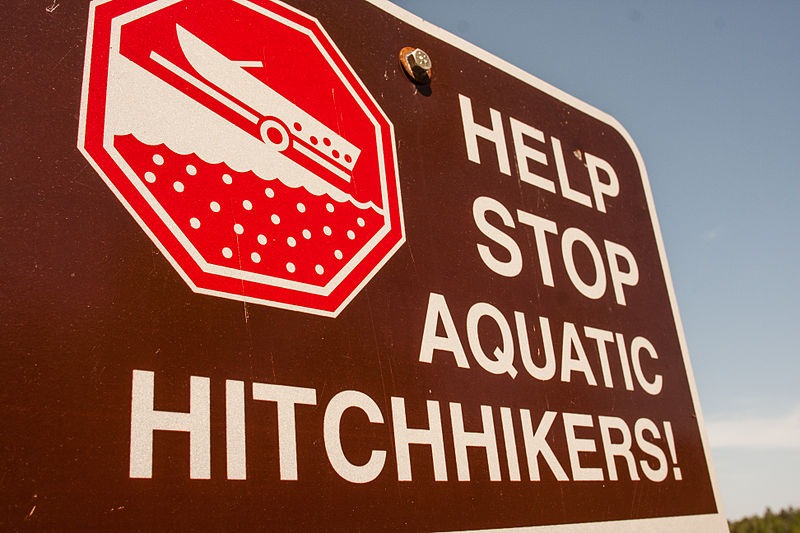 Minnesota Law requires actions to clean all boats and recreational equipment.
INSPECT your boat, trailer and equipment and REMOVE visible aquatic plants, animals, and mud before leaving the water access.
DRAIN water from your boat, motor, bilge, live wells, and bait containers before leaving the water access. Leave drain plug out while trailering.
SPRAY, RINSE, or DRY boats and recreational equipment to remove or kill species that were not visible when leaving a waterbody. Before transporting to other waters:
- Spray/rinse with high pressure, and/or hot tap water (above 120 degrees), especially if moored for more than a day; or
- Dry for at least five days
DISPOSE of unwanted bait and other animals or aquatic plants in the trash. It is illegal to release live bait. When keeping live bait from infested waters you must replace water in bait containers with tap or spring water.
The DNR and state legislature has enacted policy and legislation changes that take effect spring 2012 to fight the spread of invasive species in Minnesota. These changes include increased inspections and stronger enforcement of the laws.
Thank you for your helping protecting our valuable lakes !
The Serpent Lake Association Board
Lake Health January 2026
Our water quality remains good with monthly average Total Phosphorus of 12.2 ppb, Chlorophyll A of 1.6 ug/L, and Secci Depth of 25.25 ft. These numbers indicate low nutrient loading and excellent water clarity; e.g., a healthy lake. The much greater clarity over the past few years is a result of two factors: 1) low nutrient load and 2) the presence of the invasive species Zebra Mussels which filter feeders and remove algae from the water.
While super clear water is great for recreational water sports, our Walleye fisherman would probably prefer a little darker water to help the daytime bite. The increased water clarity also promotes weed growth due to the increased depth of sunlight penetration. Over the past few years, we have seen significant increases in weed growth in the shallow lake areas, especially east of Thompson Point and in Deerwood Bay.
With the general increase in weed growth, we have also found a significant increase in the areas affected by Curly-leaf Pond Weed: an invasive species. We have been treating Curly-leaf for the past several years with herbicide, mostly in areas in Deerwood Bay, east of Ministers Point and near the Crosby Landing. This year we also found patches between the Deerwood Landing and the blue condos, larger areas in Deerwood Bay, and small patches in the southwest end of the lake and east of Thompson Point. The GPS coordinates of these patches were mapped and the information provided to the company we use to survey the lake and to the DNR in anticipation of treating additional areas this spring.
Your Lake Association volunteers continue to monitor the lake during the months of June through September for water quality, and invasive species. Thus far no new invasive species have been identified.
We continue to participate in the Starry Search Program, (for the invasive species Starry Stonewort) sponsored by the Crow Wing Soil and Water Conservation Management District and receive a small amount of funding for our sampling work which we add to our preservation funds.
We have again applied for a DNR grant to treat for Curly-leaf Pond Weed. Since we did not receive funding for the past 2 years, we have an increased priority this year, so maybe we will get lucky. All water quality testing and invasive species sampling and treatment is paid for from the lake associations preservation funds, and any grants received help offset these costs.
Thank you all for your continued support and generous donations to the Serpent Lake Association Preservation Funds. if you would like to donate to this fund, please do so here.
Submitted by Dave Smith
New Concern: Starry Stonewort

Starry Stonewort is a new invasive species that is of concern and is getting closer. Serpent Lake Association is also now monitoring for this invasive that is in 31 of our Minnesota lakes including Rush Lake and Middle Cullen Lake in Crow Wing County and in Thunder Lake, Leech Lake and Bowen Lake just up the road in Cass County. It is called Starry Stonewort. It too can develop into a thick mat that could result in unnavigable waters. The consequence of not treating this weed every year would be unnavigable waters caused by weed mats and loss of property values around the lake.
Over the past decade, Minnesota has made significant strides in addressing starry stonewort and other aquatic invasive species (AIS). The Stop Starry program stands out as a model of regional civic organizing, emphasizing prevention, early detection, and building awareness and local capacity to respond. Minnesota Lakes and Rivers Advocates (MLR) is expanding pilot programs like Stop Starry to protect the health and accessibility of our waters.
Read this article from Minnesota Lakes and Rivers for more details.